Understanding Funeral Home Services: A Complete Guide
When you're facing the loss of a loved one, the last thing you want is confusion about what happens next. The funeral planning process can feel overwhelming, especially when you're navigating it for the first time. That's why we've created this guide to walk you through everything you need to know about funeral home services, from the initial arrangements to the final farewell.
Whether you're pre-planning for yourself or making arrangements for a family member, understanding the different types of funeral services and what they involve can help you make informed decisions during an already difficult time.
What Does a Funeral Home Actually Do?
Before we dive into specific services, let's talk about what funeral homes do and why they're essential partners during this time.
A funeral home serves as both a practical resource and an emotional support system. Beyond providing a physical space for services, funeral directors handle the legal paperwork, coordinate with cemeteries and crematories, prepare the deceased for viewing or burial, and help families navigate the dozens of decisions that need to be made.
Think of your funeral director as a guide who's walked this path hundreds of times before. They understand the logistics, the timeline, and most importantly, they understand that every family has unique needs, traditions, and budgets.
Traditional Funeral Services: The Classic Farewell
When most people think of funeral services, they're picturing what's called a traditional funeral service. This is the most comprehensive option and typically includes several components over a span of two to three days.
A traditional funeral usually begins with a visitation or viewing, followed by a formal funeral ceremony, and concludes with a committal service at the cemetery or crematory. Let's break down each of these elements.
Visitation (Also Called Viewing or Wake)
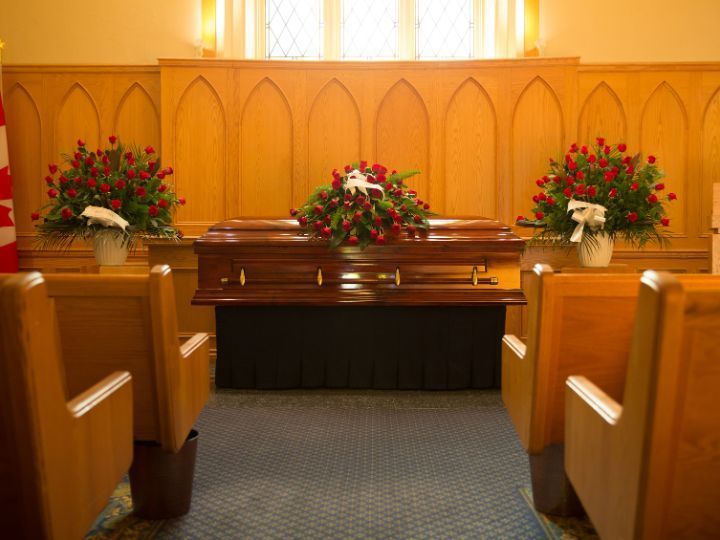
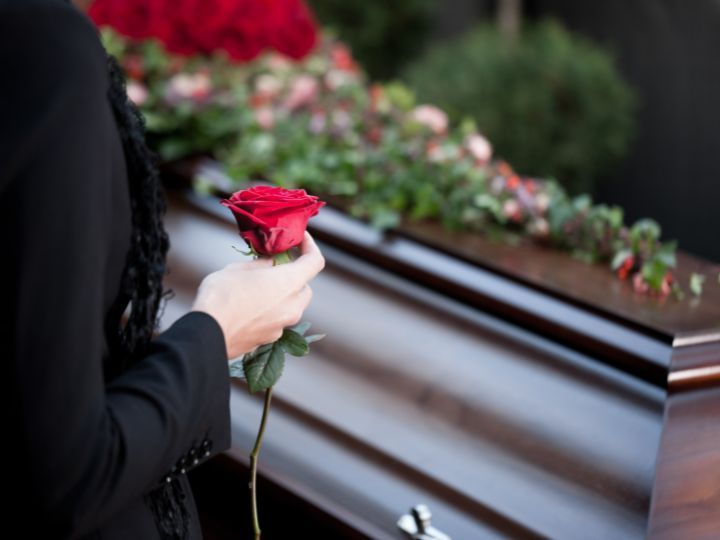
The visitation is typically the first formal gathering after a death. During this time, the deceased is present in an open or closed casket, and family and friends come to pay their respects. Visitations usually last two to four hours and are often held the evening before the funeral service.
This time serves several important purposes. It allows the community to show their support, gives people a chance to say goodbye in a more intimate setting than a formal service, and helps family members begin the grieving process by acknowledging the reality of their loss.
Some families choose to have calling hours both the night before and the morning of the funeral, while others prefer a single visitation period. There's no right or wrong answer here, it's about what feels right for your family.
The Funeral Service
The funeral service itself is typically a more structured ceremony, often religious or spiritual in nature, though secular services are becoming increasingly common. This is where eulogies are delivered, music is played, and the life of the deceased is formally honored and celebrated.
Funeral services can be held at the funeral home chapel, a church, a synagogue, or another meaningful location. They typically last between 30 minutes to an hour and may include readings, prayers, music, and personal tributes from family members and friends.
One of the most meaningful aspects of the funeral service is the opportunity for personalization. Families often display photo boards, create memory tables with cherished belongings, play the deceased's favorite music, or incorporate cultural traditions that reflect their loved one's heritage and personality.
Graveside or Committal Service
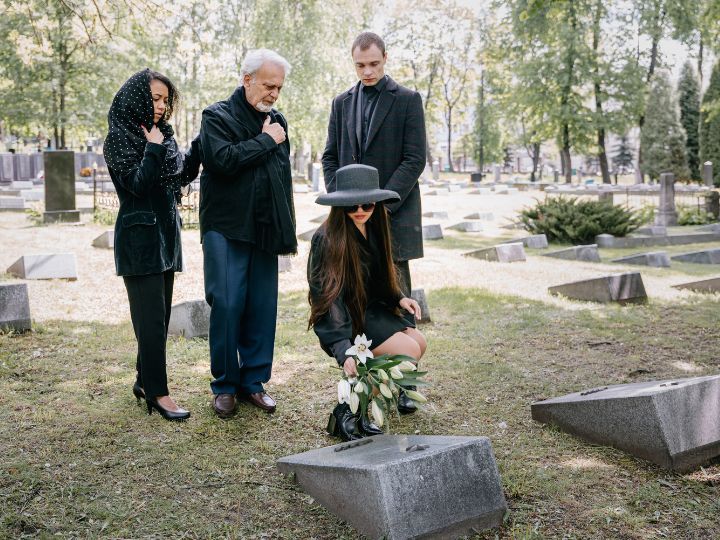
The final component of a traditional funeral is the committal service, which takes place at the cemetery or crematory. This is typically a brief ceremony, sometimes just 10 to 15 minutes, where final prayers or words are spoken before the casket is lowered into the ground or before cremation takes place.
For burial services, this often includes the symbolic act of placing flowers or soil on the casket. It provides a sense of closure and a final moment of farewell at the place where your loved one will rest.
Memorial Services: Honoring Without the Body Present
Memorial services have become increasingly popular in recent years, and they offer more flexibility than traditional funerals. The key difference is that the body is not present during a memorial service, which means cremation or burial has already taken place.
This option works well for families who need more time to plan, have relatives traveling from far distances, or prefer a less formal approach to saying goodbye. Without the time constraints of caring for the body, memorial services can be held days, weeks, or even months after the death.
Memorial services can be held virtually anywhere: a funeral home, a park, a favorite restaurant, someone's home, or even a community center. The format is entirely up to the family, ranging from very formal with traditional elements to casual celebrations of life featuring the deceased's favorite foods, music, and activities.
Because there's no casket present, families who choose cremation often display an urn during the memorial service. Others create photo displays, memory boards, or video tributes as the focal point of the gathering.
Celebration of Life Services: A More Personal Approach
While similar to memorial services, celebration of life events have a distinctly different tone. These gatherings emphasize celebrating the person's life, accomplishments, and joyful moments rather than focusing primarily on mourning their death.
Celebration of life services tend to be less formal and more upbeat. You might see a slideshow set to the deceased's favorite music, a potluck featuring their signature dishes, or activities they loved, like playing their favorite card game or gathering at their beloved fishing spot.
This doesn't mean there isn't sadness or tears, grief is still very much present. But the overall atmosphere is one of gratitude for the time you had together rather than dwelling solely on the loss.
Direct Burial and Direct Cremation: Simplified Options
Not every family wants or needs a formal service, and that's perfectly okay. Direct burial and direct cremation are straightforward options that skip the ceremony altogether.
Direct burial means the deceased is buried shortly after death without embalming, viewing, or a service beforehand. Direct cremation follows the same principle, the body is cremated soon after death without a formal viewing or service.
These options are often chosen for financial reasons, as they're typically the most affordable. They're also selected by families who plan to hold a memorial service later, by individuals who expressed a preference for simplicity, or when there are no local family members who could attend an immediate service.
Just because you choose direct burial or cremation doesn't mean you can't honor your loved one. Many families hold memorial gatherings later, scatter ashes in a meaningful location, or create private family rituals that feel more personal than a traditional service.
Graveside Services: Keeping It Simple and Intimate
A graveside service is exactly what it sounds like: a brief ceremony held at the burial site. Unlike a traditional funeral that includes a visitation and service before going to the cemetery, a graveside service happens only at the grave.
These services are typically shorter, lasting 20 to 30 minutes, and may include prayers, readings, music, and a few words from a religious leader or family member. They're often chosen when the deceased preferred simplicity, when the family is small, or when weather and logistics make a graveside gathering more practical.
Despite their brevity, graveside services can be deeply meaningful. There's something powerful about gathering at the earth where your loved one will rest, surrounded by only the most important people, without the formality of a larger ceremony.
Green and Natural Burials: Environmentally Conscious Options
More people are considering the environmental impact of their final arrangements, which has led to growing interest in green or natural burials. These eco-friendly options minimize the use of chemicals, non-biodegradable materials, and resources.
A green burial typically involves no embalming (or uses only non-toxic embalming fluids), a biodegradable casket or shroud, and burial in a natural cemetery where the landscape is preserved. Some natural burial grounds don't allow traditional headstones, instead using native plants, trees, or natural stones to mark graves.
While not every funeral home offers green burial options, more are beginning to accommodate these requests as demand grows. If this interests you, ask your funeral director about what's available in your area.
The Funeral Home Process: What to Expect Step-by-Step
Understanding what happens from the moment you call a funeral home can help ease some anxiety. Here's a general timeline of the funeral home process.
Initial Contact and First Meeting
When you first call a funeral home, they'll ask some basic information about the deceased and arrange for the transfer of the body from the hospital, nursing home, or residence. This typically happens within a few hours of death.
Within the next day or two, you'll meet with a funeral director to discuss arrangements. This meeting, often called the arrangement conference, is where you'll make decisions about the type of service, burial or cremation, casket or urn selection, flowers, music, and countless other details.
Don't feel like you need to know all the answers right away. Funeral directors are trained to guide you through these decisions, explain your options, and work within your budget.
Documentation and Legal Requirements
Your funeral director will handle most of the legal paperwork, including filing the death certificate, obtaining necessary permits for burial or cremation, and coordinating with Social Security, the Veterans Administration (if applicable), and other agencies.
You'll need to provide some information, such as biographical details for the obituary and death certificate, but the funeral home handles the actual filing and processing. This is one of the most valuable services they provide, as navigating government bureaucracy during grief would be incredibly difficult.
Preparation and Care
If you've chosen to have a viewing or visitation, the funeral home will prepare the body, which may include embalming, dressing, and cosmetology. Family members typically provide clothing, though funeral homes have options available if needed.
For cremation, the body is prepared according to state regulations and crematory requirements. You'll be asked to sign authorization forms, and if you wish, many crematories allow family members to be present for the beginning of the process.
The Service Itself
On the day of the service, the funeral home staff coordinates every detail. They arrange the flowers, set up any displays or photo boards, coordinate with the celebrant or clergy, manage the guest book, and ensure everything runs smoothly.
This behind-the-scenes coordination is why working with experienced funeral professionals makes such a difference. You can focus on being present with family and friends while they handle the logistics.
After the Service
After burial, the funeral home typically delivers flowers to the cemetery, provides you with copies of the death certificate (you'll need these for insurance, banks, and other official purposes), and remains available to answer questions as they arise.
For cremations, you'll receive the ashes (called cremated remains) a few days to a couple weeks after the service, depending on the crematory's schedule. The funeral home will coordinate this and transfer the remains into your chosen urn.
Making Decisions About Funeral Services
Choosing the right type of service for your loved one involves considering several factors. Think about their personality, your family's traditions, religious or cultural requirements, your budget, and how many people will want to attend.
Did your loved one have strong feelings about their funeral? Many people leave specific instructions, either in writing or through conversations with family members. Honoring those wishes, when possible, can provide comfort during the planning process.
If there were no specific requests, try to think about what would feel most authentic to who they were. A formal church service might be perfect for someone who was deeply religious, while a backyard barbecue might better honor someone who loved bringing people together informally.
Don't let anyone tell you there's a "right" way to do this. Your grief is yours, and your farewell should be too.
Personalizing Funeral Services
Today's funeral services can be as unique as the people they honor. Funeral homes are increasingly flexible about incorporating personal touches that tell your loved one's story.
Consider creating a memory table with items that were important to them: their favorite books, hobby equipment, awards, photos from different life stages, or even their well-worn baseball cap. Play their favorite music, whether that's classical, country, jazz, or rock and roll. Show a video tribute that captures their life in photos and video clips.
You might invite attendees to share stories during the service, create a memory book where people can write their favorite memories, or choose flowers that held special meaning. Some families incorporate cultural traditions like specific prayers, rituals, music, or even food that reflects their heritage.
These personal elements transform a funeral from a standard ceremony into a true celebration of a unique life. Don't be afraid to ask your funeral director about creative ways to personalize the service. They've likely seen hundreds of creative ideas and can help bring your vision to life.
Common Questions About Funeral Services
How much do funeral services typically cost?
Funeral costs vary widely based on the services you choose, your location, and the specific funeral home. Traditional funerals with burial typically range from $7,000 to $12,000, while direct cremation might cost $1,000 to $3,000. Always ask for a detailed price list (funeral homes are legally required to provide this) and don't be afraid to discuss your budget upfront.
How quickly does a funeral need to happen?
If you're having a traditional funeral with viewing, services typically occur within three to seven days after death. If you're choosing cremation and planning a memorial service later, you have much more flexibility. There's no universal timeline, work with your funeral director to find what makes sense for your family.
Can we have a funeral if we're choosing cremation?
Absolutely. Many families hold a traditional viewing and funeral service before cremation, exactly as they would before burial. The only difference is what happens after the service. You can also choose cremation first, then hold a memorial service with the urn present.
What if family members disagree about funeral arrangements?
This happens more often than you'd think. Try to determine if the deceased left any written instructions or clearly stated wishes, as these should generally take precedence. If not, consider compromises like having both a religious service and a casual celebration of life, or splitting the ashes so different family members can each create their own memorial rituals.
Do we need to buy everything from the funeral home?
No. Federal law allows you to purchase caskets and urns from third-party vendors, and the funeral home must accept them without charging you a handling fee. You can also write and print your own prayer cards or programs, provide your own flowers, and even arrange your own musicians or officiant.
Pre-Planning: Considering Your Own Arrangements
While it might feel uncomfortable, pre-planning your own funeral arrangements is one of the most considerate things you can do for your loved ones. It removes the burden of making difficult decisions during an emotional time and ensures your wishes are honored.
Many funeral homes offer pre-planning consultations where you can explore your options, make selections, and even pre-pay if you choose. Pre-payment can lock in current prices and protect against inflation, though be sure to understand the terms and whether your money is protected if the funeral home goes out of business.
At minimum, write down your preferences and keep them with your important documents. Include whether you prefer burial or cremation, any specific requests for the service, where you'd like to be buried or have ashes scattered, and any special music, readings, or elements you'd like included.
Finding Support Throughout the Process
Planning and attending a funeral is emotionally draining. Don't hesitate to lean on your funeral director for guidance, they're there to help. Many funeral homes also provide grief resources, counseling referrals, and support group information.
It's okay to take breaks during the planning process, to ask questions multiple times if you're feeling overwhelmed, or to bring a trusted friend or family member to appointments for support. There's no prize for getting through this quickly or alone.
Remember that the funeral is just one day. Grief lasts much longer, and you'll need ongoing support from friends, family, counselors, or support groups. Be gentle with yourself as you navigate both the immediate arrangements and the longer journey of loss.
Moving Forward with Confidence
Understanding funeral home services helps demystify a process that can feel confusing and overwhelming. Whether you're planning ahead or making arrangements during a time of loss, knowing your options empowers you to make choices that truly honor your loved one while respecting your family's needs and budget.
Every family's situation is different, and there's no single "right" way to say goodbye. The most meaningful funerals are those that authentically reflect the person being honored and provide comfort to those who loved them.
If you're in the Shoals area and need compassionate guidance through the funeral planning process, Queen-Lee Chapel is here to help. Our staff understands that every family has unique needs, and we're committed to providing individualized service that honors your loved one with dignity and respect. From your first call through the service and beyond, we're here to support you every step of the way.