Funeral Etiquette: What to Wear and How to Show Respect
If you've never attended a funeral before, or it's been a long time since you have, you might be feeling a mix of emotions—sadness about the loss, uncertainty about what to expect, and maybe even some anxiety about doing the right thing. That's completely normal. The good news is that funeral etiquette isn't as complicated as it might seem. Most people understand that you're there to support the family and pay your respects, and they appreciate the effort.
In this guide, we'll walk through the practical aspects of attending a funeral—what to wear, how to behave, and how to show genuine respect during a difficult time. By the time you finish reading, you should feel much more confident about what to expect and how to navigate the experience with grace and compassion.
Understanding Funeral Etiquette Basics
At its core, funeral etiquette is about showing respect for the deceased and support for the grieving family. It's not about following rigid rules or being perfect—it's about being thoughtful, sincere, and considerate.
The fundamental principles are simple: be on time, dress appropriately, turn off your phone, listen more than you talk, and follow the lead of the family and funeral director. When in doubt, err on the side of being more formal rather than more casual. The goal is to draw attention to the person being honored, not to yourself.
Funeral Attire: The Classic Dress Code
Let's start with one of the most common questions: what should you wear to a funeral?
The Traditional Approach
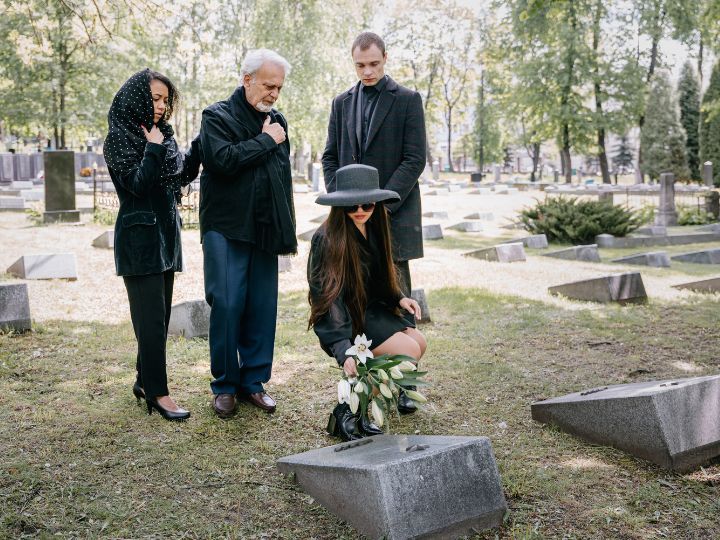
The classic funeral dress code remains the safest choice: dark, conservative clothing. For most people, this means:
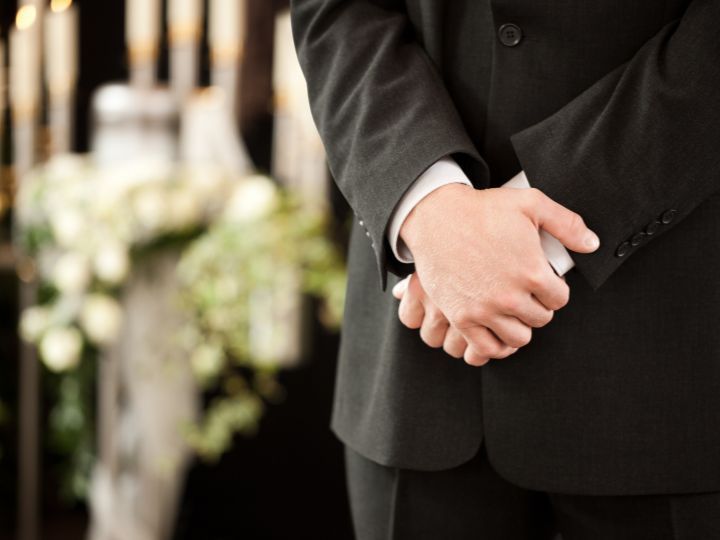
For men: A dark suit (navy, black, or charcoal gray) paired with a white or light-colored dress shirt and a dark tie. Black dress shoes and dark socks complete the look. If you don't own a suit, dark dress pants with a dark blazer and a dress shirt will work perfectly fine.
For women: A dark dress, suit, or skirt and blouse combination. Hemlines should be at or below the knee. Pantyhose or dress socks are appropriate. Black or dark dress shoes are best. Avoid excessive jewelry, bright colors, or anything too trendy.
For non-binary guests: Dark, respectful clothing that reflects your personal style while maintaining a formal, understated appearance. The key is dark colors and conservative styling.
Adjusting for Climate and Comfort
Practical considerations matter too. If you're attending a funeral in warm weather, dark lightweight fabrics are appropriate. A light sweater or shawl over a dark dress is perfectly acceptable. In cold climates, a dark coat, dark umbrella (if needed), and appropriate footwear are important. Comfort matters—you'll be standing and sitting for periods of time, so wear shoes you can manage.
What to Skip
Avoid bright colors, bold patterns, and anything that stands out. That means no neon, no large floral prints, and no clothes with eye-catching graphics or slogans. Save the statement jewelry, flashy accessories, and trendy outfits for other occasions. Similarly, avoid anything too casual—no jeans, t-shirts, sneakers, or athletic wear, even if you're just slipping in for a few minutes.
Fragrance should be subtle or absent. Some mourners may be sensitive to strong perfumes or colognes, so less is more.
Cultural and Religious Dress Considerations
Different cultures and religions have specific funeral attire expectations, and it's thoughtful to be aware of them.
Christian Funerals
Most Christian traditions follow the conservative dark-clothing approach we've described. Some very traditional or formal services may expect even more formal attire (think funeral director's level of formality), but standard business formal dress is almost always appropriate.
Jewish Funerals
Jewish funeral traditions have specific customs. Men may be expected to wear a suit and tie, or in some Orthodox settings, a jacket and hat. Women typically wear dark, modest clothing. It's common to tear a small piece of your clothing or wear a black ribbon as a symbol of mourning—the funeral home or family will often provide these. If you're unsure about specific customs, it's perfectly acceptable to ask the family or funeral director for guidance.
Muslim Funerals
Islamic funeral traditions emphasize modesty. Men typically wear dark suits or traditional dress. Women should wear modest clothing that covers the arms and legs, and a headscarf is often appropriate and appreciated. Shoes are typically removed before entering the prayer space. If you're attending a Muslim funeral and you're unfamiliar with the customs, arriving a few minutes early allows you to observe what others are wearing and doing.
Hindu and Buddhist Funerals
Hindu cremation ceremonies and Buddhist funeral services have varying practices depending on specific traditions. Modest, dark clothing is generally appropriate. Some services may take place in temples or spiritual centers where shoes are removed. Again, arriving early and watching others can help you navigate the customs respectfully.
Other Traditions
If you're attending a funeral from a cultural or religious background unfamiliar to you, don't hesitate to reach out to the family beforehand and ask for guidance. Most families appreciate the question and are happy to explain customs or expectations. There's no shame in wanting to be respectful—it shows you care.
Beyond Clothing: Funeral Guest Etiquette
What you wear is just one part of showing respect. How you behave throughout the service matters equally.
Before the Service
Arrive early—aim for at least 10 to 15 minutes before the scheduled time. This gives you a moment to settle, find your seat, and collect yourself. Arriving early also shows respect and allows you to help if the family needs anything. If you're running late, slip in quietly and find a seat toward the back.
Sign the guest book if one is available. This creates a record of who attended and is meaningful to the family. Write your name clearly and include a brief, heartfelt message if there's space.
During the Service
Silence your phone completely—not vibrate, but completely off. There's no exception to this rule. Even on silent, a phone buzzing or lighting up is disruptive during such a solemn moment.
Sit respectfully, maintain good posture, and avoid fidgeting. If the service includes hymns or readings, participate if you're comfortable doing so. You don't have to sing if you don't know the words, but standing and being present shows respect.
If there's a moment for people to share memories or eulogies, listen attentively. Even if you didn't know the deceased, you're hearing meaningful stories about their life. This is not the time to check your watch, look at your phone, or have side conversations.
Keep conversations quiet and brief. If you're greeting others, do so in hushed tones. Save longer catching-up conversations for after the service or at the reception.
At the Reception or Gathering
After the formal service ends, there's usually a time for people to gather, share food, and offer condolences to the family. This is a slightly less formal setting, but the same respect applies.
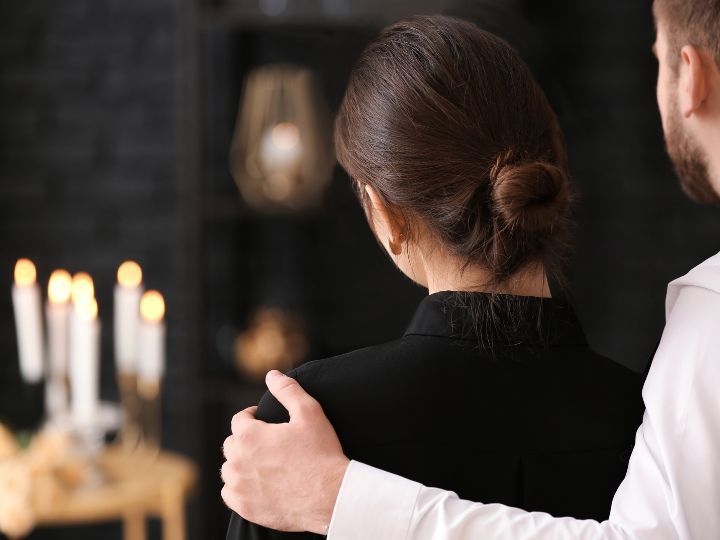
Approach the family, make eye contact, and offer genuine condolences. Simple statements work best: "I'm so sorry for your loss," "He was a wonderful person," or "Please let me know if there's anything I can do." You don't need to say much—sometimes a warm hug or a squeeze of the hand says everything.
Don't linger in front of the family if there are others waiting to speak with them. Offer your condolences, share a brief memory if appropriate, and then move along so others have a chance.
What Not to Do at a Funeral
Avoid talking about your own losses or health issues at length. While some sharing can be compassionate ("I lost my father too, so I understand what you're going through"), don't make the service about you.
Don't ask questions about the cause of death, especially if it's a sensitive topic. If the family wants to discuss it, they'll bring it up. Similarly, avoid discussing illness, accident details, or anything that might make the grieving family relive the pain.
Don't take photos or videos during the service unless explicitly invited to do so. Funerals are sacred moments, not social media content. Even if photos are permitted at a reception, be respectful and ask before photographing.
Avoid bringing young children unless you've been specifically invited to do so, or unless you've confirmed with the family that children will be present. If you do bring children, be prepared to leave quietly if they become disruptive.
Don't use the time at a funeral to conduct business, network, or catch up with old acquaintances as if you're at a party. Keep your interactions focused on honoring the deceased and supporting the family.
Special Situations and Questions
"I didn't know the deceased well—should I still attend?"
If you were invited or if you have a relationship with someone who's grieving, attending shows support and solidarity. You don't need to have known the deceased personally to offer comfort to the living. Even a brief appearance means something.
"What if I can't attend?"
If you've been invited but can't attend, send a condolence card, flowers, or a charitable donation in the deceased's name. A short phone call or text to the family expressing your support is also appropriate. The important thing is acknowledging the loss and showing you care.
"Is it okay to wear a suit that's not black?"
Yes, absolutely. A dark navy, charcoal gray, or dark brown suit is perfectly appropriate. Black is traditional, but conservative dark colors show equal respect.
"What about makeup and hairstyle?"
Keep your appearance neat and put-together, but understated. Avoid dramatic makeup, bright nail polish, or bold hairstyles that draw attention. The focus should be on honoring the deceased, not making a fashion statement.
"Can I ask about specific traditions if I'm unfamiliar?"
Yes—please do. Reaching out to the family or funeral director to ask about customs shows respect and a genuine desire to honor their traditions properly. Most people appreciate the thoughtfulness.
Navigating Emotions with Grace
Attending a funeral can bring up unexpected emotions, even if you didn't know the deceased well. You might feel sad, anxious, or emotional. That's completely normal and nothing to be ashamed of.
If you feel tears coming, it's okay to cry quietly. Bring tissues and allow yourself to feel what you're feeling. If you need a moment, it's perfectly acceptable to step outside for a few minutes to collect yourself.
If you're anxious about what to say to the family, remember that simple, honest statements are best. "I'm so sorry for your loss" is perfect. You don't need to say anything clever or lengthy. Your presence matters more than your words.
Final Thoughts on Funeral Etiquette
Ultimately, funeral etiquette comes down to one thing: approaching the service with respect, compassion, and genuine care for the grieving family. Most people understand that you're doing your best in a difficult situation, and they'll appreciate your effort.
Don't overthink it. Wear dark, conservative clothing, arrive on time, silence your phone, listen respectfully, and approach the family with genuine condolences. These simple steps will carry you through any funeral with grace and dignity.
If you're planning a funeral and want guidance on creating an experience that honors your loved one with respect and dignity, we're here to help. Our experienced team understands the importance of honoring traditions while creating a meaningful and personal farewell.