Rural Funeral Traditions in Southern Indiana: Honoring Small-Town Heritage
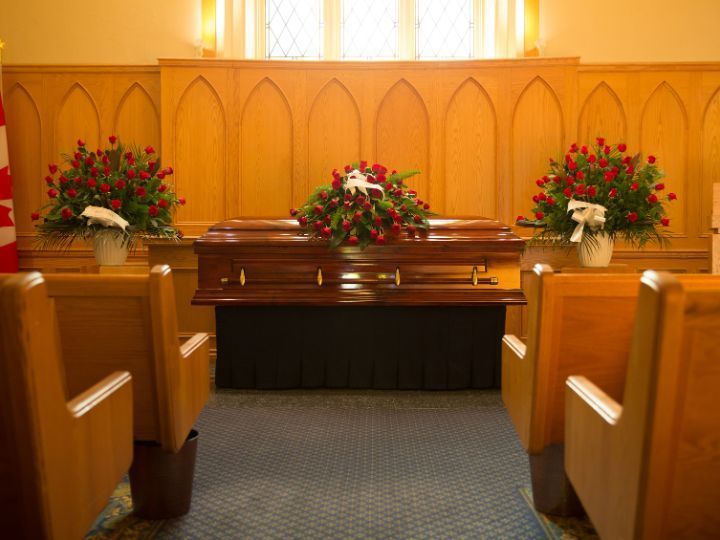
In the rolling hills and close-knit communities of Southern Indiana, rural funeral traditions serve as more than ceremonial observances—they are profound expressions of community solidarity, faith, and heritage that have been passed down through generations. These time-honored customs reflect the deep connections between neighbors, the enduring importance of family, and the spiritual foundations that anchor small-town life throughout the region.
The Heart of Community: When Loss Brings People Together
Southern funeral traditions emphasize the importance of community support during times of grief, and nowhere is this more evident than in rural Indiana. When someone passes away in a small Southern Indiana town, the response is immediate and instinctive. Word spreads quickly through interconnected networks of family, church congregations, and longtime neighbors who have shared decades of life's milestones together.
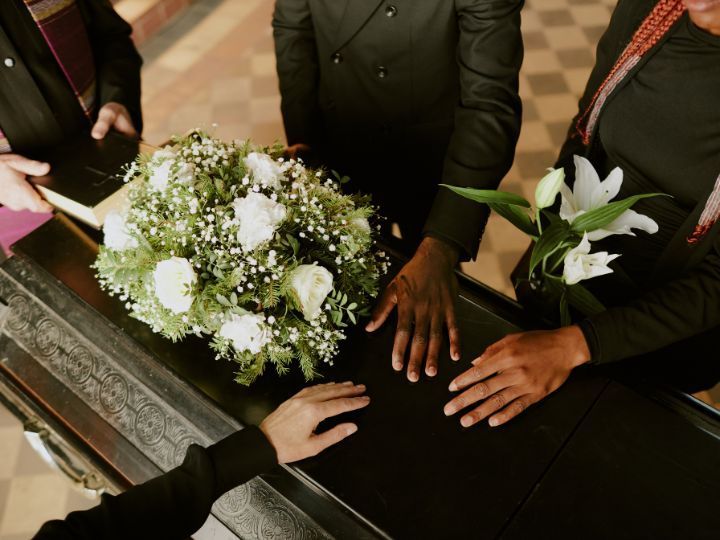
The tradition of "sitting up with the dead" has deep roots in rural communities. In the past, when smaller rural communities had no access to a mortuary or funeral home, community members themselves prepared the body for burial and constructed the casket. While modern funeral homes now handle these preparations, many families still maintain vigils and extended visitations that honor this historical practice.
Sacred Spaces and Spiritual Foundations
Church communities form the spiritual backbone of rural funeral traditions in Southern Indiana. Most Southern funerals tend to be long (an hour or more), in part to reassure the bereaved family and mourners that the deceased is all right with the Lord. These extended services provide comfort through scripture, hymns, and communal prayer that reflect the deep religious heritage of the region.
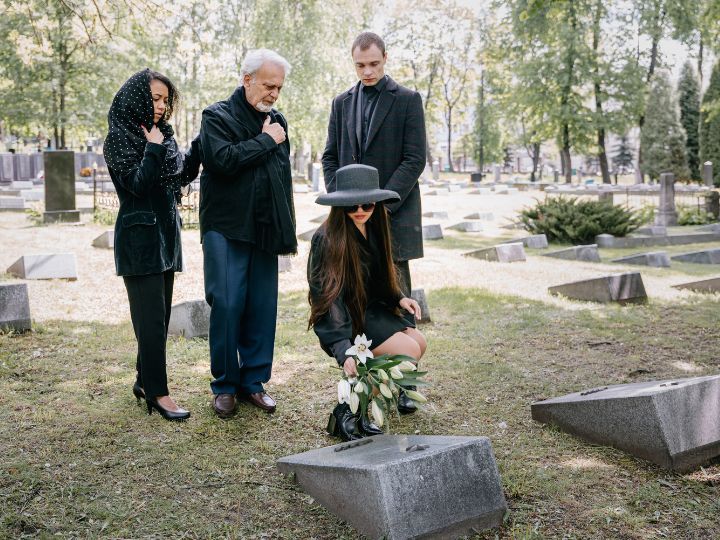
Many rural churches maintain their own cemeteries, creating sacred spaces where generations of families rest together. These church graveyards become focal points for the community's collective memory, where annual decoration days bring families together to tend graves, share stories, and maintain connections with their ancestors.
The diversity of faith traditions in Southern Indiana adds richness to funeral customs. Amish communities throughout Indiana maintain distinctive funeral practices that emphasize simplicity, community support, and plain dress, with funerals often lasting 24 hours and featuring massive community meals. These traditions showcase how different religious communities within Southern Indiana preserve their unique approaches to honoring the deceased while maintaining the broader regional emphasis on community care.
The Language of Food: Nourishing Body and Spirit
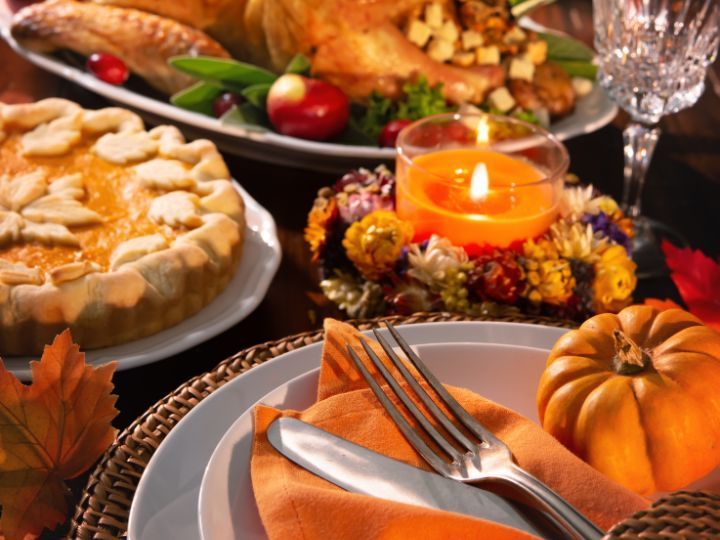
Perhaps no tradition is more deeply embedded in Southern Indiana funeral customs than the immediate response of preparing and sharing food. As soon as friends and neighbors find out someone has died, they set about in the kitchen to make casseroles, fried chicken, deviled eggs, potato salad, pies and more to take to the grieving family's house.
This food tradition serves multiple purposes beyond simple nourishment. It provides practical support when families are overwhelmed with grief and funeral preparations. It offers a tangible way for community members to express their condolences when words feel inadequate. And it creates opportunities for gathering, where stories about the deceased can be shared and memories preserved.
Doughnuts are also a mainstay in food delivered to a family that's grieving, since it's a quick way to fuel with a cup of coffee in the morning while the family is working with the funeral home to make funeral preparations. These seemingly simple gestures reflect the practical wisdom of rural communities that understand the exhausting nature of grief and the necessity of sustaining those who mourn.
Community potluck meals after graveside services have become institutional in many Southern Indiana towns. Usually hosted by extended family members or church congregations, these gatherings provide informal settings where the wider community can offer support through shared stories and collective remembrance.
Procession Traditions: Honoring the Journey
In many parts of the rural South, it is considered respectful to pull over and allow the procession to pass – regardless of what side of the road you're on. This tradition of showing respect for funeral processions remains strong in rural Southern Indiana, where community members understand that every funeral procession represents a family's final journey with their loved one.
Not long ago, it was common to see processions escorted by the local police or sheriff's department who would also direct traffic to allow the procession to continue unabated through red lights and stop signs. While modern traffic concerns have modified these practices, the underlying principle of communal respect for the grieving remains unchanged.
Seasons of Memory: Annual Observances
Rural funeral traditions in Southern Indiana extend far beyond the immediate days of death and burial. Many communities observe Decoration Day, typically held in late spring or early summer, when families gather at cemeteries to clean graves, place fresh flowers, and maintain family burial plots. These annual observances strengthen intergenerational connections and ensure that family histories remain vivid in community memory.
Church homecoming celebrations often incorporate elements of remembrance, with special recognition for members who have passed away during the year. These events blend celebration of community continuity with acknowledgment of loss, reflecting the rural understanding that death is part of life's natural cycle.
Preserving Traditions in Changing Times
Modern rural funeral traditions in Southern Indiana represent adaptations of historical practices to contemporary realities. While funeral homes now handle technical preparations that communities once performed themselves, the essential elements of community support, spiritual comfort, and collective remembrance remain unchanged.
In recent years, funeral traditions have evolved to emphasize personalization and celebration of life, with families increasingly opting for unique ways to honor their loved ones. Rural Southern Indiana communities have embraced these changes while maintaining their core values of community support and spiritual foundation.
Environmental consciousness has influenced some traditional practices, with green funerals, which focus on eco-friendly practices like biodegradable caskets or natural burials, gaining popularity. These adaptations reflect rural communities' long-standing connection to the land and stewardship values.
The Role of Local Funeral Homes
Professional funeral directors in Southern Indiana serve as bridges between traditional community practices and modern funeral service requirements. They understand the importance of accommodating extended family networks, coordinating with church communities, and facilitating the food traditions that remain central to rural grieving processes.
Local funeral homes often become integral parts of their communities, with funeral directors serving multiple generations of the same families and developing deep understanding of individual family traditions and community customs. This continuity helps preserve the personal touch that characterizes rural funeral traditions.
Intergenerational Transmission of Heritage
Rural funeral traditions in Southern Indiana survive through active intergenerational transmission. These are Southern traditions that have endured because families pass them on to their children and their grandchildren both by example and by explaining, starting with, "This what you do."
Older community members serve as keepers of funeral customs, ensuring that younger generations understand not just what to do, but why these traditions matter. This knowledge transfer happens through participation in funeral observances, family storytelling, and community involvement that spans generations.
Faith, Heritage, and Healing
The rural funeral traditions of Southern Indiana ultimately serve the profound human need for meaning-making in the face of loss. They provide structured ways for communities to process grief collectively, maintain connections with deceased community members, and affirm the values that define rural life: mutual support, spiritual faith, and commitment to place and heritage.
These traditions offer healing through community participation, spiritual comfort through religious observance, and continuity through preservation of family and community memory. They transform individual grief into collective remembrance and ensure that the deaths of community members become occasions for reaffirming the bonds that hold rural communities together.
Honoring Heritage Through Understanding
When families in Southern Indiana face the loss of a loved one, they can draw upon a rich heritage of funeral traditions that have provided comfort and community support for generations. Professional funeral homes like Queen-Lee Funeral Home understand the importance of these traditions and work with families to honor both time-tested customs and personal preferences in creating meaningful memorial services.
Whether adapting historical practices to contemporary needs or maintaining long-standing customs exactly as previous generations observed them, rural funeral traditions in Southern Indiana continue to serve their essential function: providing communities with structured, meaningful ways to honor their dead, comfort their living, and preserve the heritage that defines small-town life in this distinctive region.
These traditions remind us that in rural communities, death is never merely an individual event—it is a community experience that calls forth the best of human nature: compassion, generosity, spiritual comfort, and the determination to ensure that no one grieves alone.